"You see how I accidentally liked my ex's photo from 2019? I didn't panic and deactivate my account. I just un-liked it 0.5 seconds later and pretended it never happened. Very mindful of my digital footprint." The Wardrobe Malfunction:
Ariel, whether Disney’s little mermaid or Shakespeare’s spirit, is a creature of transformation. Disney’s Ariel trades her voice for legs; Shakespeare’s Ariel seeks freedom from servitude. In OAD, “Ariel” suggests a being caught between elements—water and land, silence and song, authenticity and performance. To be “Ariel” in this context is to inhabit a permanent state of becoming. The “demure” modifier thus becomes paradoxical: how can a creature defined by rebellion (Ariel disobeyed her father, traded her identity for love) be demure? The answer lies in digital culture’s love for contradiction. OAD is the mermaid who posts a thirst trap, then adds a butterfly filter and a Bible verse caption.
We are living in an era of intense pressure for perfection. The "demure" trend asked us to be mindful and low-maintenance. The "brat" trend asked us to be messy and loud. occupies the middle ground.
“Oopsie” infantilizes error. It is not a confession but a coquettish shrug—a way of acknowledging failure while dodging accountability. In the digital arena, where every post is curated and every like is tracked, the “oopsie” functions as a pressure valve. It allows influencers and everyday users to reclaim spontaneity: Oopsie, I posted the wrong thirst trap. Oopsie, I contradicted myself. This is not humility but a rehearsed vulnerability. OAD weaponizes “oopsie” as a preemptive strike against criticism—any flaw is now part of the brand.
"You see how I accidentally liked my ex's photo from 2019? I didn't panic and deactivate my account. I just un-liked it 0.5 seconds later and pretended it never happened. Very mindful of my digital footprint." The Wardrobe Malfunction:
Ariel, whether Disney’s little mermaid or Shakespeare’s spirit, is a creature of transformation. Disney’s Ariel trades her voice for legs; Shakespeare’s Ariel seeks freedom from servitude. In OAD, “Ariel” suggests a being caught between elements—water and land, silence and song, authenticity and performance. To be “Ariel” in this context is to inhabit a permanent state of becoming. The “demure” modifier thus becomes paradoxical: how can a creature defined by rebellion (Ariel disobeyed her father, traded her identity for love) be demure? The answer lies in digital culture’s love for contradiction. OAD is the mermaid who posts a thirst trap, then adds a butterfly filter and a Bible verse caption.
We are living in an era of intense pressure for perfection. The "demure" trend asked us to be mindful and low-maintenance. The "brat" trend asked us to be messy and loud. occupies the middle ground.
“Oopsie” infantilizes error. It is not a confession but a coquettish shrug—a way of acknowledging failure while dodging accountability. In the digital arena, where every post is curated and every like is tracked, the “oopsie” functions as a pressure valve. It allows influencers and everyday users to reclaim spontaneity: Oopsie, I posted the wrong thirst trap. Oopsie, I contradicted myself. This is not humility but a rehearsed vulnerability. OAD weaponizes “oopsie” as a preemptive strike against criticism—any flaw is now part of the brand.
The place to go if you have questions on how to use your products.
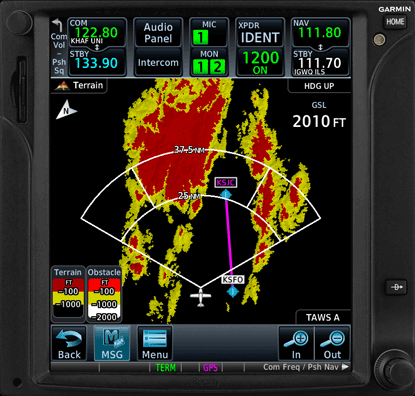
Join the conversationPrepare yourself to embrace the Ultimate Glass Cockpit Upgrade, with our upcoming
simulation of the Garmin G500/G600 PFD/MFD for Prepar3D, Flight Simulator and XPlane.