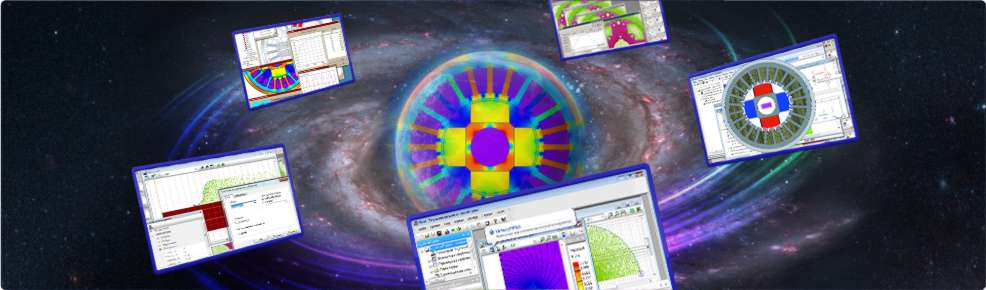
QuickField is a very efficient Finite Element Analysis package for electromagnetic, thermal, and stress design simulation with coupled multi-field analysis. It combines a family of analysis modules using the latest solver technology with a very user-friendly model editor (preprocessor) and a powerful postprocessor.
QuickField requires no training - you may start using it as soon as it is installed on your computer, without knowing the mathematical algorithms used and details of their implementation.
QuickField is a native Windows® application, which was designed for this platform only. It fully utilizes the advantages of a modern operational environment. It is very compact, yet powerful, and can be used for many design applications which require Magnetic , Electric or Thermostructural analysis
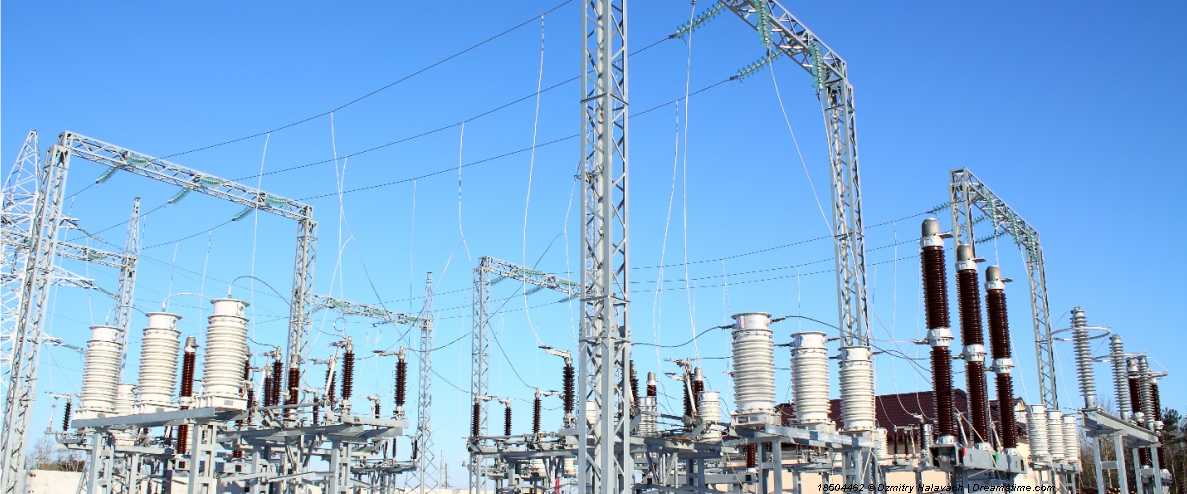
QuickField can be effectively applied to many engineering tasks. Most often, it is used in the design of electric motors, turbine generators, actuators, speakers, transformers, induction heating systems, transmission lines and other complex electrical and electromechanical devices.
The application of QuickField is not restricted to this list. If you are unsure as to how to apply QuickField to your problem - contact us, and we will be glad to help you.
Hanks brings the same everyman authenticity he lent to Cast Away . However, whereas Chuck Noland had a volleyball (Wilson!) to project his rage and sorrow upon, Finch has Jeff—a creation that begins as a tool and slowly becomes a son.
Here is everything you need to know about the Finch film, why it works, and why it deserves a spot in the canon of great American sci-fi. finch film
The post-apocalyptic genre is historically rooted in themes of scarcity, paranoia, and the brutal Darwinian struggle for survival. From The Road to Mad Max , the cinematic wasteland is often a place where morality is shed in favor of primal instinct. Finch , directed by Miguel Sapochnik and released on Apple TV+, inhabits this familiar setting—a sun-scorched Earth ravaged by solar flares and extreme weather—but diverges sharply in its narrative focus. The film follows Finch Weinberg (Tom Hanks), one of the few survivors of a cataclysm that has destroyed the ozone layer. Terminally ill and acutely aware of his mortality, Finch constructs an advanced robot to care for his dog, Goodyear. This paper explores how Finch utilizes the juxtaposition of a dying man and a learning machine to deconstruct the definition of humanity. It posits that the film’s central conflict is not man versus nature, nor man versus machine, but rather the struggle to transmit the intangible quality of empathy across the boundary of extinction. Hanks brings the same everyman authenticity he lent
How does the stack up against its peers? The post-apocalyptic genre is historically rooted in themes
A lone finch, struggling to find his place in a rapidly changing world, embarks on a poignant journey of self-discovery, love, and survival, ultimately learning that the beauty of life lies in its imperfections.
End tag (tone) A small, quiet story about keeping one promise across the end of the world: that someone will stay, that someone will remember—and that from loss can come a new kind of love.