





Talk to us?
welcome To
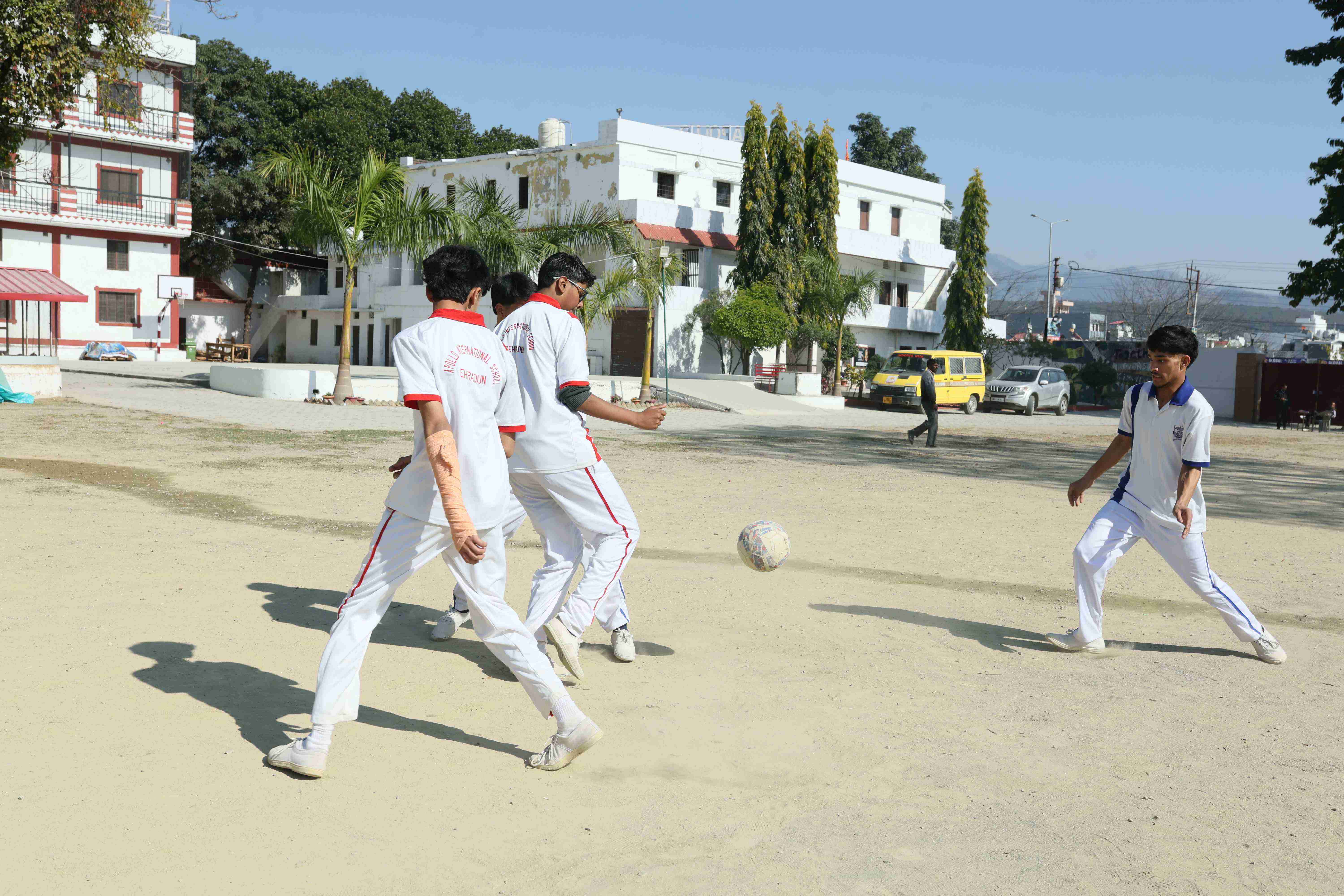
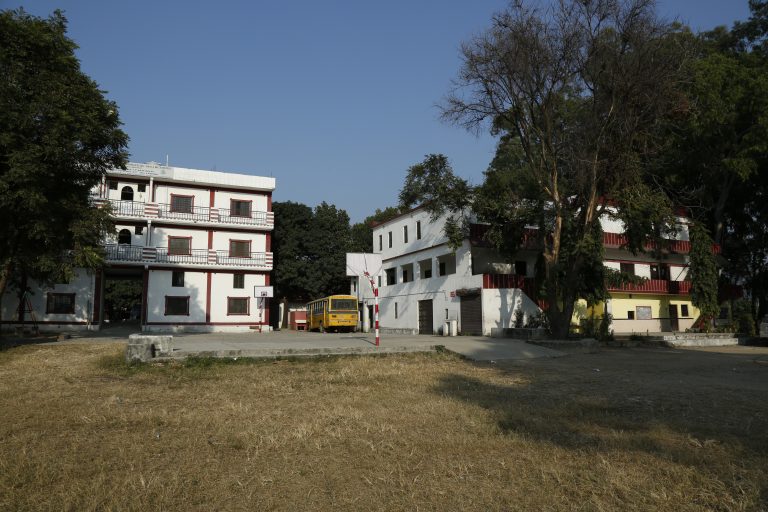
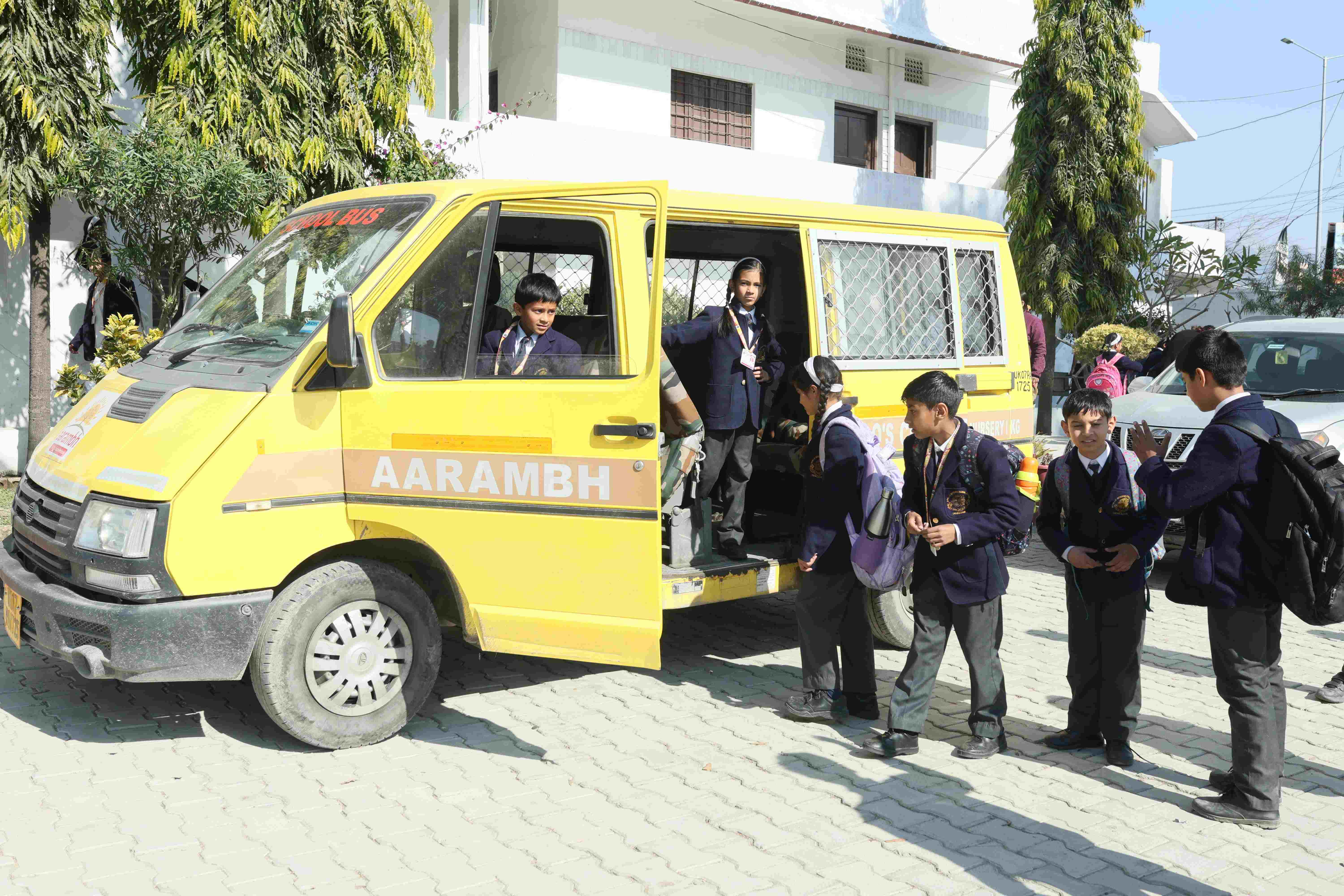
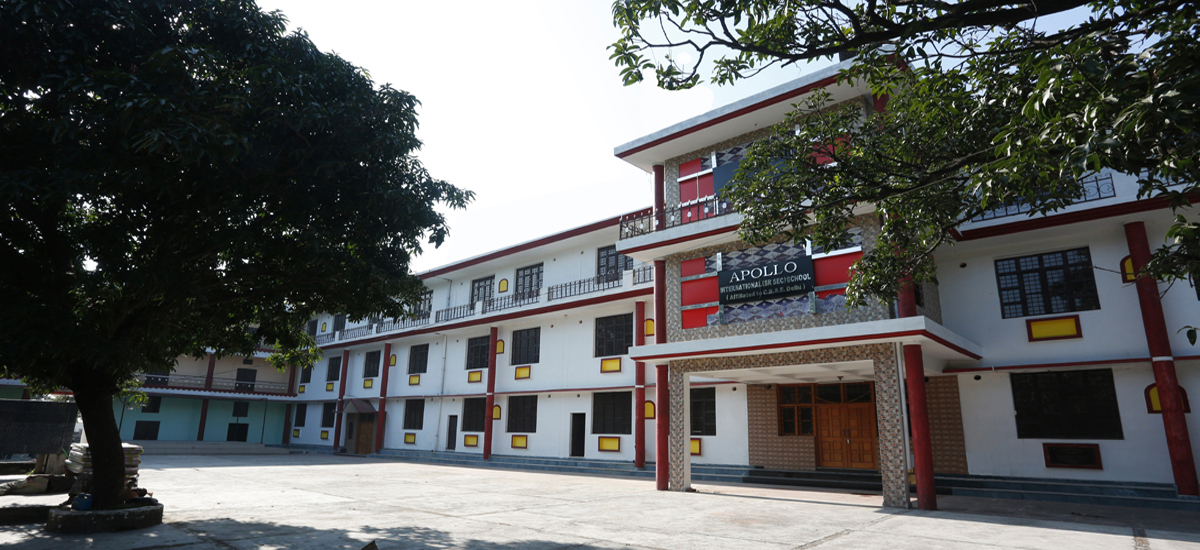
Apollo International School, established in March 1999, was conceived with a mission to offer quality education that prioritizes the holistic development of students. Its foundation rests on the belief that the needs and aspirations of students should be at the core of its educational philosophy. The school seeks to create a nurturing environment where academic excellence is achieved through personalized attention, catering to the unique strengths, interests, and learning paces of each student.
One of the most common causes of hard drive stuttering (or "I/O overload") in torrenting is a poor disk cache. Build 25534 features a manual, configurable disk cache that works perfectly with modern SSDs and RAID arrays. You can set it to use 2GB of RAM for caching writes, preventing hard disk fragmentation. Newer versions removed granular control to "simplify" settings. utorrent 221 build 25534
Users report faster peer discovery and better sustained speeds compared to heavier modern clients.
Advanced users swear by the libtorrent version used in 2.2.1. It handles UDP tracker requests (via uTP) efficiently but doesn't enforce them aggressively like newer versions. For private trackers (like RED, PTP, or IPT), this build is famous for saturating gigabit connections without "choking" peers incorrectly. It negotiates bandwidth more aggressively and fairly than modern clients. One of the most common causes of hard
The release of uTorrent 3.0 marked a turning point where the software's philosophy shifted from minimalism to monetization.
For many, is like a vintage car—no fancy electronics, but it gets the job done without spying on you. Just be sure to pair it with a good VPN and common sense. It handles UDP tracker requests (via uTP) efficiently
Build 25534 was the final stable release of the 2.2.1 branch, compiled on . It represents the last moment uTorrent was purely a tool rather than a platform . Here is the technical breakdown of why it remains superior.
One of the most common causes of hard drive stuttering (or "I/O overload") in torrenting is a poor disk cache. Build 25534 features a manual, configurable disk cache that works perfectly with modern SSDs and RAID arrays. You can set it to use 2GB of RAM for caching writes, preventing hard disk fragmentation. Newer versions removed granular control to "simplify" settings.
Users report faster peer discovery and better sustained speeds compared to heavier modern clients.
Advanced users swear by the libtorrent version used in 2.2.1. It handles UDP tracker requests (via uTP) efficiently but doesn't enforce them aggressively like newer versions. For private trackers (like RED, PTP, or IPT), this build is famous for saturating gigabit connections without "choking" peers incorrectly. It negotiates bandwidth more aggressively and fairly than modern clients.
The release of uTorrent 3.0 marked a turning point where the software's philosophy shifted from minimalism to monetization.
For many, is like a vintage car—no fancy electronics, but it gets the job done without spying on you. Just be sure to pair it with a good VPN and common sense.
Build 25534 was the final stable release of the 2.2.1 branch, compiled on . It represents the last moment uTorrent was purely a tool rather than a platform . Here is the technical breakdown of why it remains superior.