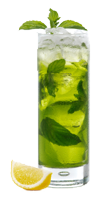
Drink of the Week
Drink of the Week © 2026
This site is intended for those of legal drinking age. Please Drink Responsibly.
NEVER NEVER DRINK & DRIVE !!
The marriage of these fields has also revolutionized the clinic environment. Veterinary visits are historically traumatic for animals, leading to "stress-induced hyperglycemia" or elevated heart rates that skew medical data. Practitioners trained in behavioral science now use techniques—low-stress handling, pheromone diffusers, and positive reinforcement. When an animal is calm, the vet gets a more accurate physiological reading, and the patient receives better care. The Welfare Connection
Current research in animal behavior and veterinary science is focused on several key areas, including: contos eroticos de zoofilia com audio
A great feature shouldn't just describe a behavior; it should explain the biological root. The marriage of these fields has also revolutionized
: Connecting animal behavior to human and environmental health, often used in livestock management to optimize meat-animal production and welfare. University of Wyoming Career Path Overview When an animal is calm, the vet gets
Twenty years ago, "restraint" meant holding an animal down to get the job done. Today, we understand that a terrified animal releases cortisol (the stress hormone), which suppresses the immune system, skews blood work, and slows healing.


Drink of the Week © 2026
This site is intended for those of legal drinking age. Please Drink Responsibly.
NEVER NEVER DRINK & DRIVE !!