Vintage Big Tits -
For a "vintage big lifestyle and entertainment" theme, focus on content that blends the grandiosity of the past with actionable modern living . These post ideas range from deep-dive historical features to aesthetic social media prompts. 🎭 Entertainment & Culture The Secret History of Iconic Brands : Go beyond the logo to tell the origin stories of legendary vintage names. Pop Culture "Sliding Doors" : Explore how modern entertainment might look if 1950s technology—like rotary phones or early Apple prototypes—remained the standard. Vinyl Revival Guide : Create a "starter kit" post for building a high-end record collection, featuring posters and wall-art styling. Retro Cinematic Playlists : Curate lists of classic movies that shaped modern fashion or personal identity. 👗 Lifestyle & Fashion Modern-Vintage Fusion : Show readers how to style genuine antique pieces—like 1940s belts or 1950s casual wear—with modern staples to avoid looking like they're in a "grandparent's house". Timeless Heirlooms : Highlight how vintage quality represents "generational wealth" by following the journey of a single timeless piece through decades. Sustainable Soul : Write an opinion piece on why vintage shopping is the ultimate sustainable choice for modern fashion lovers. The Analog Morning Routine : Share a day-in-the-life post that swaps tech for vintage alternatives, like writing letters instead of emails. Design Spotlight: How to Style with Antiques + Modern Decor 11-Aug-2025 —
The concept of a "vintage big lifestyle" transcends simple nostalgia; it is a cultural movement centered on sustainability, individuality, and a slower, more intentional pace of life. By integrating the craftsmanship of the past with modern sensibilities, enthusiasts reject the "disposable culture" of fast fashion and mass-produced entertainment in favor of items with history and durability. The Core of the Vintage Lifestyle Living "vintage big" is often seen as a form of rebellion against mainstream, corporate-driven overconsumption. Defining "Vintage": Generally, items are considered vintage if they are between 20 and 100 years old, placing the current "sweet spot" between the 1920s and the early 2000s. Sustainability: Choosing secondhand goods is an ethical choice that reduces waste and offers a higher quality of materials—such as heavy-duty hardware in cameras or durable fabrics—that modern mass-market alternatives often lack. Individuality: Vintage fashion allows for self-expression through unique, one-of-a-kind pieces like vintage Chanel bags or retro Nike sneakers that set the wearer apart from uniform modern trends. Big Brands Shaping the Aesthetic Major global corporations have successfully pivoted to become "lifestyle and entertainment" hubs by leaning into their heritage:
The fascination with voluptuous figures, often described colloquially as "big tits," is not a modern phenomenon but has roots deep in history. Across various cultures and epochs, the female form has been celebrated in art, literature, and everyday life, with fuller figures often symbolizing fertility, prosperity, and beauty. One of the earliest and most iconic representations of the voluptuous female form can be found in prehistoric cultures, notably in the Venus figurines. These small statuettes, dating back to the Paleolithic era, depict women with exaggerated features, including large breasts, hips, and thighs. These figures are believed to symbolize fertility and femininity, suggesting that a full-bodied figure, including larger breasts, was associated with positive attributes from a very early point in human history. In more recent history, the way society perceives and portrays women with larger breasts has evolved significantly. During the Victorian era, modesty and restraint were highly valued, and thus, depictions of the female form were often subdued and less revealing. However, with the rise of Hollywood in the early 20th century, actresses like Betty Grable, often referred to as having the "ideal" figure, brought attention to curvier women. Grable's famous "pin-up" pose, showcasing her voluptuous figure, became an iconic representation of feminine beauty during World War II, symbolizing comfort and the ideal American woman. The 1950s and 1960s saw a continuation of this trend, with women like Elizabeth Taylor and Marilyn Monroe becoming symbols of Hollywood glamour. Their figures, particularly their larger busts, were often highlighted in media and film, contributing to a broader cultural conversation about beauty standards. However, it's crucial to note that these representations also came with their own set of challenges and criticisms. The objectification of women, particularly those with larger breasts, has been a significant concern. The term "vintage big tits," in a contemporary context, might also refer to a nostalgia for past eras when certain beauty standards were prevalent. This nostalgia can sometimes overlook the complexities and criticisms of those standards, such as the objectification of women's bodies and the narrow definitions of beauty they perpetuated. In modern times, there has been a significant shift towards body positivity and a more inclusive definition of beauty. The conversation around body image has expanded to celebrate diversity in body types, challenging traditional standards that once dictated how women should look. The term "vintage big tits" might then serve as a historical reference point in these discussions, illustrating how perceptions of beauty, particularly concerning breast size, have evolved. In conclusion, the concept of "vintage big tits" encompasses a complex interplay of historical, cultural, and social factors. It reflects changing attitudes towards body image and beauty standards over time. By examining these shifts, we gain insight into broader societal trends and the ways in which women's bodies have been perceived, represented, and celebrated throughout history.
1. Core Philosophy: The "Big" Rejection of the Digital The movement is a counter-reaction to the "small," frictionless, and ephemeral nature of modern life (streaming, social media, fast fashion). vintage big tits
From Pixels to Physical: Prioritizing vinyl records over playlists, film cameras over smartphones, paper maps over GPS. From Lean-Back to Lean-In: Entertainment becomes an event (e.g., cleaning a record, developing film, dressing for a themed party) rather than passive scrolling. From Minimalism to Maximalism: "Big" means rich textures, layered patterns, bold colors, and curated clutter (e.g., a library wall, a bar cart, vintage signage).
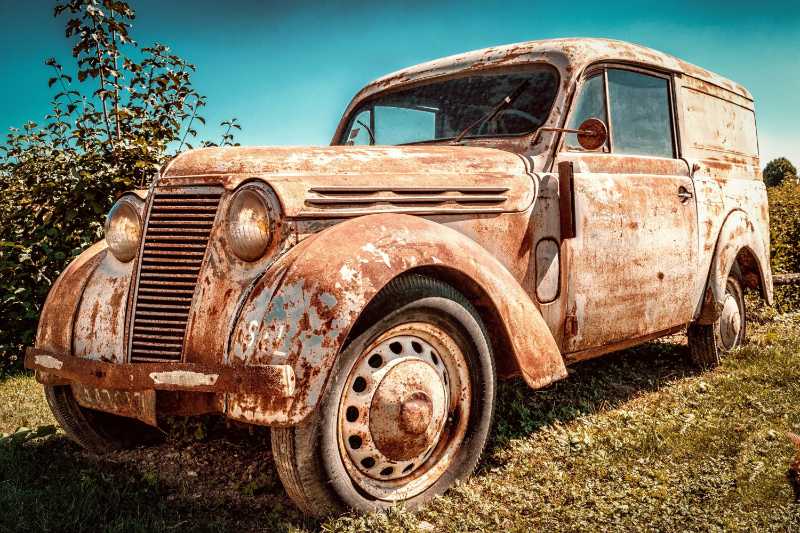
2. Key Pillars of Vintage Big Lifestyle This is not cosplay; it is functional integration of old ways into new contexts. | Pillar | Modern Practice | "Big" Vintage Manifestation | | :--- | :--- | :--- | | Home & Decor | IKEA minimalism, smart devices | 1930s-70s eclectic: Dark wood, Persian rugs, tiki bars, velvet sofas, rotary phones, tube radios as functional art. | | Fashion | Fast fashion, athleisure | Heritage dressing: 1940s tailoring, 1970s flared suits, 1990s grunge layering. Emphasis on natural fibers (wool, tweed, leather). | | Food & Drink | Delivery apps, meal kits | Cocktail culture revival: Manual citrus press, vintage glassware, recipes from old Esquire or Savoy cocktail books. Fondue parties, Jell-O molds (ironic), full Sunday roasts. | | Transportation | Ride-share, EVs | Old iron: Driving classic cars (1960s Mustang, VW bus) as daily drivers; steel-framed vintage bicycles. | 3. Entertainment: Spectacle, Ritual, and Shared Space The "big" entertainment experience rejects solitary, algorithm-driven consumption. A. Analog Media as Ritual
Vinyl & Hi-Fi: Listening sessions are social, tactile. The "big" system includes floor speakers, tube amplifiers, and a dedicated listening room. Physical Video: VHS tape trading (horror, cult films), LaserDisc for cinephiles, CRT televisions for retro gaming (light guns only work on CRTs). Print Revival: "Big" means thick Sunday newspapers, Life magazine-style photo books, and zines printed on risograph machines. Pop Culture "Sliding Doors" : Explore how modern
B. Live & Participatory Events
Vintage Dance: Lindy hop (1930s-40s), rockabilly jive (1950s), disco roller skate nights (1970s). Cinema as Event: Drive-in theaters, revival houses showing 35mm film prints, complete with organ pre-shows or intermission reels. Gaming as Social: Arcade cabinets (stand-up Galaga , pinball) in basements or bars. LAN parties with 1990s PCs (CRT monitors, Quake ).
4. The "Big" Sub-Scenes (Case Studies) | Subculture | Era Focus | "Big" Expression | | :--- | :--- | :--- | | Tiki | 1940s-60s Polynesian pop | Exotic cocktails, bamboo furniture, exotica music, full backyard tiki bar builds. | | Swing & Rockabilly | 1930s-50s | Hair pomade, cuffed jeans, full band orchestras, car clubs (hot rods). | | Cabin/ Lodgecore | 1910s-70s rustic | Cast iron cooking, woodworking, fly fishing, plaid wool, analog radio. | | Cyberpunk Vintage | 1980s-90s retro-future | CRTs, clunky keyboards, cassette futurism, Blade Runner aesthetic. | 5. Economic & Market Impact The "vintage big" economy is substantial and growing (estimated $50B+ globally in collectibles, heritage brands, and experiences). 👗 Lifestyle & Fashion Modern-Vintage Fusion : Show
Heritage Brands Thriving: Filson, Barbour, Levis Vintage Clothing, Naim Audio, McIntosh (amplifiers as jewelry). New Analog Products: Polaroid (instant film revival), Technics (turntables), Fujifilm (Instax, X100 digital but analog-style). Experiences: Vintage festivals (Goodwood Revival, Viva Las Vegas Rockabilly Weekender), escape rooms designed as 1970s basements. Real Estate: Premium for homes with "original character" (unrenovated mid-century kitchens, wood paneling, built-in bars).
6. Psychological Drivers Why do people invest heavily in this "big" lifestyle?