| Risk | Example | |------|---------| | | Hacked cameras viewed on shady websites | | Data retention | Cloud recordings stored indefinitely, accessible by company employees | | Law enforcement requests | Some companies share footage without warrant | | Insider threats | Factory or support staff viewing your feed | | False sense of security | Missing encryption, outdated firmware | | Neighbor privacy | Camera pointing into adjacent homes or public walkways |
Most people forget their indoor cameras are live. Nationally recognized security expert Marc Weber Tobias notes that "unintentional recording of guests in a state of undress" is one of the most common, unreported privacy disasters in smart homes. In many states, recording someone without their consent in a space where they have a "reasonable expectation of privacy" (like a living room, if they are a long-term guest) can violate wiretapping laws.
When your footage is stored on a company’s server, you aren’t the only one who has "access." There is a recurring debate regarding how much access law enforcement should have to private camera networks (such as Amazon’s Ring or Google’s Nest) without a warrant.
Before aiming a camera, stand where the camera will be mounted. If you can see into a neighbor’s window, they can see your lens. Reposition or add privacy shields.
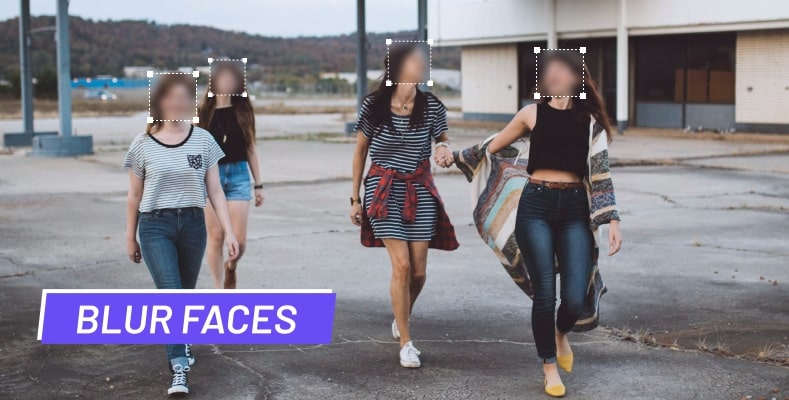
Be a good neighbor. Adjust your cameras to ensure they are focused on your entry points and property line, avoiding neighboring windows or private yards.
Until laws catch up, treat facial recognition features like a firearm—powerful, useful in narrow scenarios, but requiring extreme discipline and a clear justification for every person tagged.
Never place cameras in bathrooms or guest bedrooms. Indoor cameras are best limited to common areas like entryways or hallways.
| Risk | Example | |------|---------| | | Hacked cameras viewed on shady websites | | Data retention | Cloud recordings stored indefinitely, accessible by company employees | | Law enforcement requests | Some companies share footage without warrant | | Insider threats | Factory or support staff viewing your feed | | False sense of security | Missing encryption, outdated firmware | | Neighbor privacy | Camera pointing into adjacent homes or public walkways |
Most people forget their indoor cameras are live. Nationally recognized security expert Marc Weber Tobias notes that "unintentional recording of guests in a state of undress" is one of the most common, unreported privacy disasters in smart homes. In many states, recording someone without their consent in a space where they have a "reasonable expectation of privacy" (like a living room, if they are a long-term guest) can violate wiretapping laws.
When your footage is stored on a company’s server, you aren’t the only one who has "access." There is a recurring debate regarding how much access law enforcement should have to private camera networks (such as Amazon’s Ring or Google’s Nest) without a warrant.
Before aiming a camera, stand where the camera will be mounted. If you can see into a neighbor’s window, they can see your lens. Reposition or add privacy shields.
Be a good neighbor. Adjust your cameras to ensure they are focused on your entry points and property line, avoiding neighboring windows or private yards.
Until laws catch up, treat facial recognition features like a firearm—powerful, useful in narrow scenarios, but requiring extreme discipline and a clear justification for every person tagged.
Never place cameras in bathrooms or guest bedrooms. Indoor cameras are best limited to common areas like entryways or hallways.

Staff Writer
Sara AI Smith is a seasoned content creator with over a decade of experience crafting engaging content for a wide range of industries. She is always passionate about crafting engaging and informative articles about technology, artificial intelligence, and all things cutting-edge.

Offer ends in: 24 Hours